
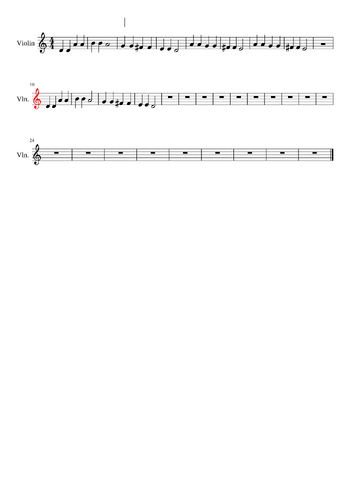
We have a collection of 32 arrangements for Traditional - Jane Taylor - Twinkle, Twinkle, Little Star
Did you know Mozart composed variations on this melody, but didn’t write the tune itself? Learn!
"Twinkle, Twinkle, Little Star" is a popular nursery rhyme and children's song known worldwide. Here are some interesting facts about this iconic song:
Authorship and Origin: The lyrics for "Twinkle, Twinkle, Little Star" were written by Jane Taylor, an English poet. The poem was first published in 1806 in a collection called "Rhymes for the Nursery." The melody is believed to be an adaptation of the French song "Ah! Vous dirai-je, maman."
Variations in Lyrics: The song has undergone various lyrical adaptations over the years. In its original form, the lyrics were slightly different from the version we know today. For example, the first line was "Twinkle, twinkle, little star, how I wonder what you are, up above the world so high, like a diamond in the sky."
Mozart's Variation: Wolfgang Amadeus Mozart composed a set of twelve variations on the theme of "Twinkle, Twinkle, Little Star" in 1781. These variations, known as "Ah, vous dirai-je, maman" (the original French song), are some of his most famous piano compositions.
Universal Appeal: "Twinkle, Twinkle, Little Star" is recognized and sung in many languages around the world. Its simple melody and universal theme of wonder make it a favorite for young children.
Educational Value: The song is not only enjoyable for children but also serves an educational purpose. It helps with language development, rhythm recognition, and memorization of basic concepts like stars and their appearance.
Musical Notation: The song is often used to teach basic musical notation to beginners. It is a good starting point for learning to read sheet music due to its simplicity.
Pop Culture References: "Twinkle, Twinkle, Little Star" has been referenced in various forms of popular culture, including books, movies, and TV shows. It's often used to evoke a sense of nostalgia and childhood innocence.
Scientific Connection: The song's reference to stars has made it a fun starting point for introducing young children to astronomy and the wonders of the night sky.
Public Domain: As an old nursery rhyme, "Twinkle, Twinkle, Little Star" is in the public domain, which means it can be freely used and adapted without copyright restrictions.
Sing-Along Tradition: Singing "Twinkle, Twinkle, Little Star" before bedtime is a longstanding tradition in many cultures. It's a soothing and calming lullaby for children.
So, this simple yet timeless nursery rhyme has a rich history and continues to be cherished by generations of children and parents around the world.