
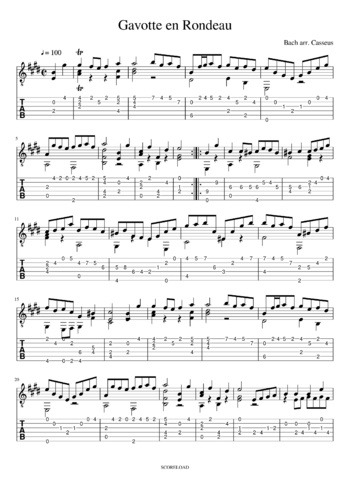
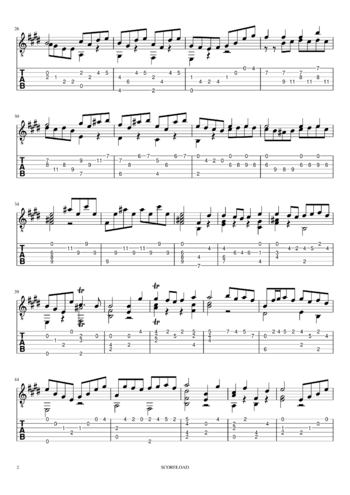
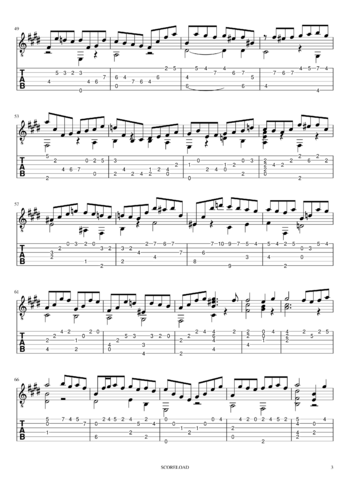
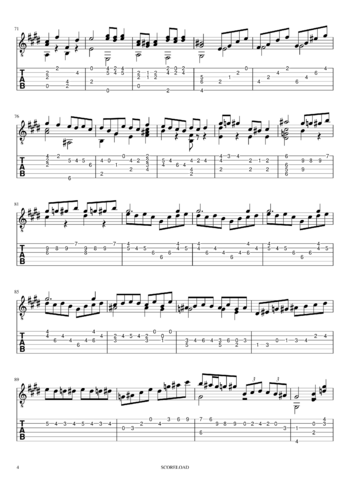
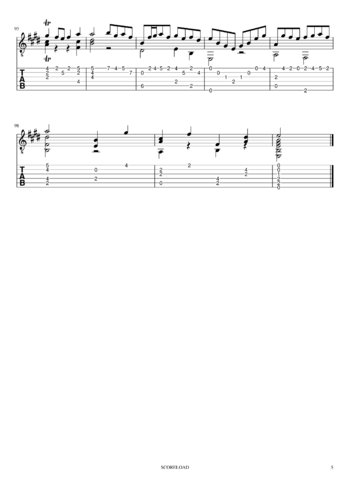
We have a collection of 6 arrangements for Johann Sebastian Bach - Gavotte en Rondeau
Why is this dance movement called "Gavotte en Rondeau"? Learn!
Who's behind the notes? Discover Johann Sebastian Bach: Master of Baroque Music
Johann Sebastian Bach's Violin Partita No. 3 in E major, BWV 1006 is a remarkable piece of music. Here are some interesting facts about it:
Part of the "Sonatas and Partitas for Solo Violin": BWV 1006 is part of Bach's set of six solo violin works known as the "Sonatas and Partitas for Solo Violin." These are considered some of the most important and challenging compositions in the solo violin repertoire.
Composed in the Early 18th Century: Bach composed this piece in the early 18th century, most likely between 1703 and 1706 during his time as Kapellmeister in Köthen.
E Major: This particular partita is written in E major, a key that is known for its bright and joyful character. It consists of five distinct movements: Preludio, Loure, Gavotte en Rondeau, Menuets I and II, and Bourrée.
Preludio's Complex Structure: The Preludio, the first movement of the Partita, is especially notable for its intricate and complex structure. It is a fast and lively movement with a series of double stops, which require the violinist to play two strings at once, showcasing technical virtuosity.
Influence on Later Composers: Bach's solo violin works, including BWV 1006, have had a profound influence on later composers and performers. They served as a foundation for the development of solo violin music and were studied and admired by composers like Niccolò Paganini and Eugène Ysaÿe.
Rediscovery: Bach's solo violin works, including this Partita, were not widely known until the 19th century when they were rediscovered by famous violinist and composer Felix Mendelssohn. Mendelssohn's interest in Bach's music played a significant role in the revival of interest in Bach's works.
Challenges for Violinists: Violinists consider BWV 1006 as one of the most challenging pieces to perform due to its technical demands, intricate ornamentation, and expressive qualities. It requires a high level of skill and interpretation to do justice to Bach's intentions.
Dance Forms: Each movement of the Partita is based on a different dance form, reflecting the typical Baroque suite structure. Bach's ability to transform these dance forms into complex and expressive musical compositions is a testament to his genius.
Musical Structure: The Partita demonstrates Bach's mastery of musical structure and form. It combines virtuosic passages with moments of deep musical expression, showcasing Bach's ability to balance technical brilliance with emotional depth.
Enduring Legacy: BWV 1006, like Bach's other works, continues to be celebrated and performed by violinists and musicians worldwide. It remains a cornerstone of the classical violin repertoire and is appreciated for its beauty and technical challenges.
These facts highlight the significance and complexity of Johann Sebastian Bach's Violin Partita No. 3 in E major, BWV 1006, making it a beloved and enduring work in the world of classical music.




