


Who's behind the notes? Discover Franz Schubert: The Prolific Master of Romantic Melody
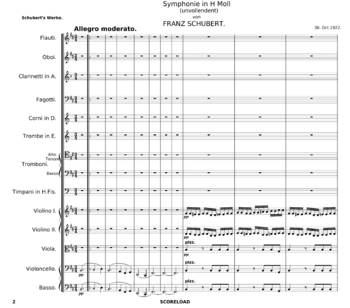
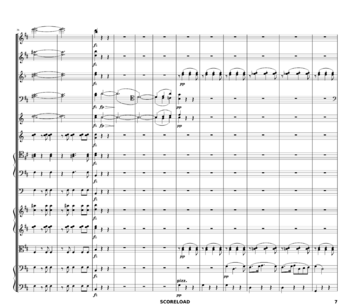
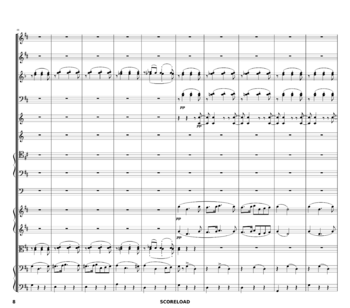
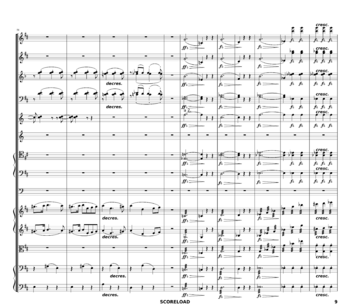
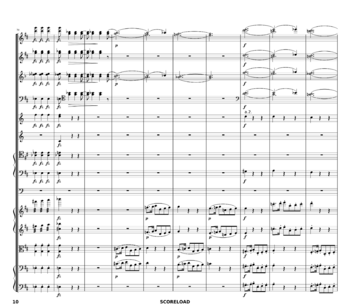
Franz Schubert's Symphony No. 8 in B minor, D. 759, is commonly known as the "Unfinished Symphony." Here are some interesting facts about this remarkable piece of classical music:
Incomplete Composition: The Symphony No. 8 is famously incomplete, with only two movements fully composed: Allegro moderato and Andante con moto. Schubert began working on the symphony in 1822 but never completed it, leaving behind sketches for a third and fourth movement. This enigmatic aspect has contributed to the symphony's enduring intrigue.
Mysterious Abandonment: The reasons for Schubert's abandonment of the symphony remain a subject of speculation. Some theories suggest that he might have lost interest, encountered compositional challenges, or faced health issues. Regardless of the reason, the incomplete nature of the work has added to its mystique.
Rediscovery: The Unfinished Symphony remained largely forgotten for many years after Schubert's death. It was rediscovered in the mid-19th century by Schubert's friend, Anselm Hüttenbrenner, who found the score among Schubert's papers. Hüttenbrenner showed the manuscript to the composer Robert Schumann, who encouraged its performance.
Premiere Performance: The Unfinished Symphony had its public premiere on December 17, 1865, nearly four decades after Schubert's death, conducted by Johann Herbeck in Vienna. It received a warm reception, and the symphony quickly gained recognition as one of Schubert's most extraordinary works.
Two Movements of Contrasting Character: The two completed movements of the symphony are notably different in character. The first movement, Allegro moderato, is dark, brooding, and dramatic, while the second movement, Andante con moto, is lyrical, serene, and melancholic. The stark contrast between these movements contributes to the symphony's emotional depth.
Influence on Later Composers: Schubert's Unfinished Symphony had a significant impact on later composers, including Anton Bruckner and Gustav Mahler. It served as an inspiration for them to explore the possibilities of unconventional symphonic structures and emotional expression.
Multiple Completions: Over the years, various composers and musicologists have attempted to create conjectural completions of the symphony's third and fourth movements based on Schubert's sketches. However, these completions remain controversial and are rarely performed in concert.
Notable Recordings: The Unfinished Symphony has been recorded by countless orchestras and conductors, and it continues to be a beloved piece in the classical repertoire. Recordings by renowned conductors such as Herbert von Karajan, Claudio Abbado, and Leonard Bernstein are widely acclaimed.
A Classic of the Romantic Era: Despite its incomplete status, Schubert's Symphony No. 8 is considered a masterpiece of the Romantic era. Its evocative and emotive qualities have ensured its enduring popularity and continued exploration by musicians and scholars.
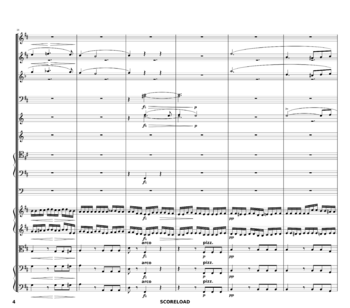
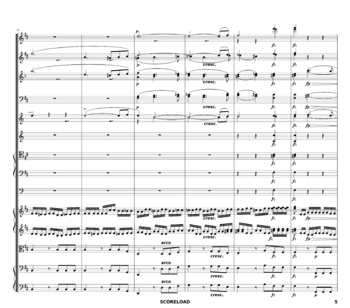
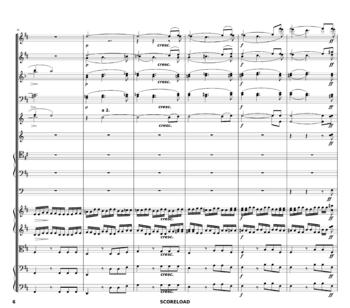
Subtle Use of Orchestration: Schubert's orchestration in the Unfinished Symphony is characterized by its subtlety and innovation. He employs woodwind instruments, especially the clarinet, to create unique and expressive textures, contributing to the symphony's distinctive sound.
The Unfinished Symphony remains a testament to Schubert's genius and is celebrated for its emotive power, even though it remains a fragment of what might have been a complete symphonic masterpiece.









