




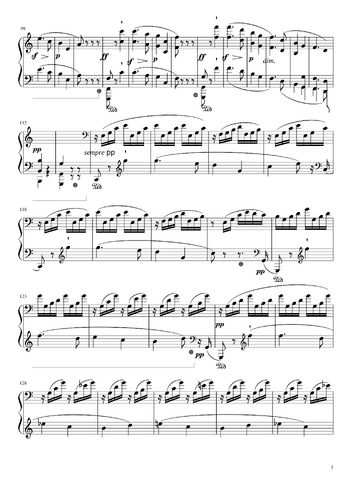

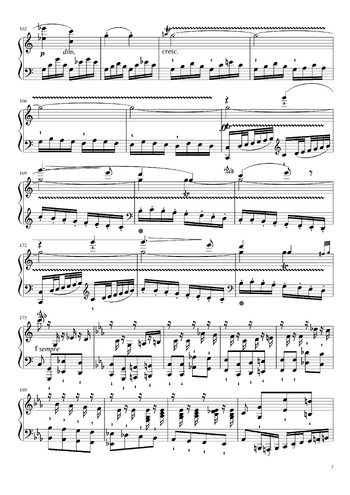



We have a collection of 2 arrangements for Ludwig van Beethoven - Piano Sonata No. 21, Op.53 "Waldstein"
How did Beethoven's revolutionary "Eroica" Symphony influence his Waldstein Sonata? Learn!
Ludwig van Beethoven's Piano Sonata No. 21 in C major, Op. 53, is one of his most famous and celebrated compositions. Here are some interesting facts about this remarkable piece:
Nickname "Waldstein Sonata": The Piano Sonata No. 21 is commonly referred to as the "Waldstein Sonata." This nickname pays tribute to Count Ferdinand Ernst Gabriel von Waldstein, a patron and friend of Beethoven who initially dedicated the sonata to him.
Dedication: Beethoven originally dedicated the sonata to Waldstein with the inscription "Intitulata Bonaparte" (Titled Bonaparte) as a tribute to Napoleon Bonaparte. However, Beethoven later removed the dedication when he heard that Napoleon had declared himself Emperor, as he felt disillusioned with Napoleon's authoritarian aspirations.
Three Movements: The sonata is structured into three movements:
Technical Challenges: The "Waldstein Sonata" is known for its technical demands on the pianist. It requires a high level of skill and virtuosity, particularly in the third movement, which features rapid, intricate passages.
Influence on Later Composers: Beethoven's Piano Sonata No. 21 had a significant influence on later composers, including Franz Liszt and Frédéric Chopin. Liszt, in particular, was inspired by Beethoven's use of thematic transformation and virtuosic piano writing.
Lengthy Composition Process: Beethoven began working on the "Waldstein Sonata" in 1803 and completed it in 1804. The composition process was protracted, reflecting Beethoven's meticulous approach to his work.
Innovative Harmonies and Modulations: Beethoven's use of harmonies and key modulations in this sonata was groundbreaking for its time. He pushed the boundaries of conventional tonality, foreshadowing the Romantic era's exploration of harmonics.
Impact on Beethoven's Style: The "Waldstein Sonata" marks a transitional period in Beethoven's compositional style. It bridges the gap between his earlier, more classical works and his later, more experimental compositions, such as the "Hammerklavier" Sonata.
Performing Duration: The sonata typically takes around 20 to 25 minutes to perform, making it one of Beethoven's longer sonatas.
Enduring Popularity: The "Waldstein Sonata" remains a favorite among pianists and audiences alike. Its combination of technical brilliance and expressive depth has ensured its enduring popularity in the classical music repertoire.
Beethoven's Piano Sonata No. 21, Op. 53, is a masterpiece that showcases his innovation, technical prowess, and ability to evoke deep emotions through music, making it a beloved work in the classical piano repertoire.









