

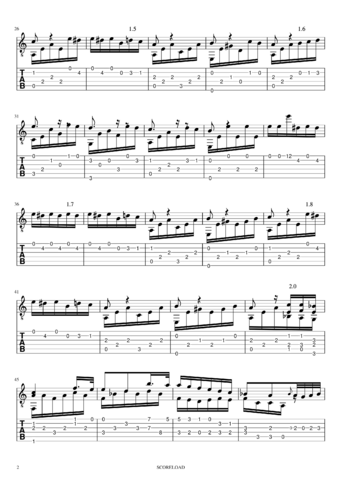
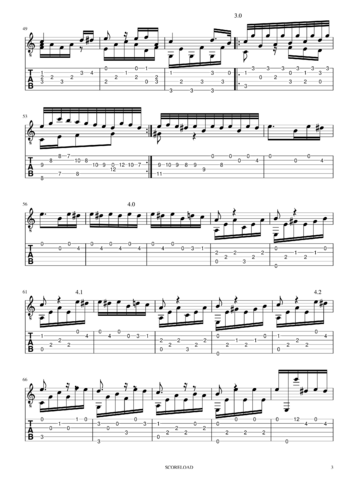
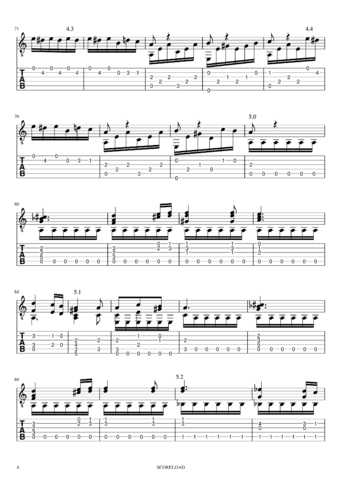
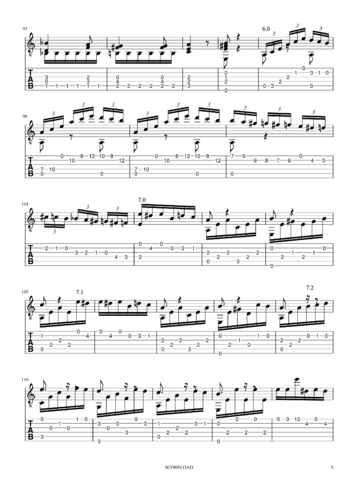

We have a collection of 55 arrangements for Ludwig van Beethoven - Für Elise, WoO 59
What is the story behind Beethoven's "Für Elise"? Learn!
"Für Elise" is one of Ludwig van Beethoven's most famous and beloved compositions. Here are some interesting facts about this piece:
Mysterious Dedicatee: The exact identity of "Elise" in the title "Für Elise" remains a mystery. Beethoven's handwritten manuscript for the piece was discovered in 1867, and it was titled "Für Elise." Some researchers believe that it might have been written for Therese Malfatti, a woman Beethoven was romantically interested in, while others suggest it could have been a transcription error for "Für Therese."
Bagatelle: "Für Elise" is technically categorized as a bagatelle, which is a short, light, and often playful piece of music. Beethoven composed it in 1810, and it was published posthumously in 1867.
Popularity: Despite its relatively short length and simplicity compared to some of Beethoven's other works, "Für Elise" has become one of the most recognized and frequently performed classical piano pieces in the world. Its charming melody and accessible difficulty level make it a favorite among both beginner and advanced pianists.
Signature Melody: The opening melody of "Für Elise" is one of the most recognizable and iconic in classical music. Its repetitive, elegant motif has made it instantly identifiable to listeners of all ages.
Unfinished Work: "Für Elise" is only a fragment of a larger work that Beethoven had intended to complete. The complete piece was never finished or published. The manuscript contains only a single page of music, consisting of the familiar A section that most people associate with "Für Elise."
Manuscript Discovery: The manuscript for "Für Elise" was found by Ludwig Nohl, a music scholar, and writer, in a collection of Beethoven's handwritten music in 1865. It was published two years later, bringing this delightful piece to a wider audience.
Controversy: Over the years, there has been some debate and controversy regarding the accuracy of the published version of "Für Elise." Scholars have pointed out discrepancies in tempo markings, articulations, and dynamics. As a result, different interpretations and arrangements of the piece exist.
Global Recognition: "Für Elise" has transcended cultural boundaries and has been embraced worldwide. Its timeless melody has been used in various forms of popular culture, from films to commercials, making it a true cultural icon.
Musical Simplicity: While Beethoven is known for his complex and innovative compositions, "Für Elise" is a comparatively simple piece, making it accessible to piano students and serving as a gateway to Beethoven's more challenging works.
Variations and Arrangements: Many pianists and composers have created their own variations and arrangements of "Für Elise." It has been adapted for various instruments and musical ensembles, showcasing its enduring popularity and adaptability.
"Für Elise" continues to captivate audiences and musicians alike with its timeless beauty and charm, ensuring its place in the classical music canon for generations to come.





