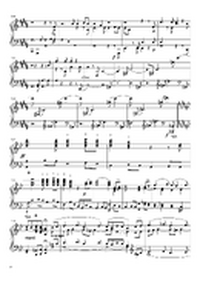
Beethoven's "Hammerklavier" Sonata (Op. 106) is renowned for its technical complexity and monumental scale, often considered a bridge between the Classical and Romantic eras. Its third movement, a profound adagio sostenuto, is celebrated for its emotional depth and structural innovation.
Beethoven's Hammerklavier Sonata, Op. 106, is a monumental work marking his late period. Known for its technical demands and structural complexity, it features a fugal finale that pushed the boundaries of piano music. Its emotional depth and innovative use of form influenced later Romantic composers.
Beethoven's "Hammerklavier" Sonata, Op. 106, is considered one of the most technically challenging piano works of its time.
Its monumental structure and innovative use of fugal elements in the finale marked a turning point in the evolution of piano composition,
bridging the Classical and Romantic eras. The sonata's extreme dynamic markings, including rare fortississimo passages,
reflect Beethoven's experimental approach during his late period.
Beethoven's "Hammerklavier" Sonata (Op. 106) is renowned for its technical complexity and monumental structure, marking a transition to his late stylistic period. It features a fugal finale considered one of the most challenging in piano literature.
One of Beethoven's most technically demanding piano works, marking his late compositional period. It revolutionized piano writing with its fugal finale and structural complexity.